
Book Appointment Now
Sidi Bouzid II Solar Project Enters Construction Phase in Tunisia
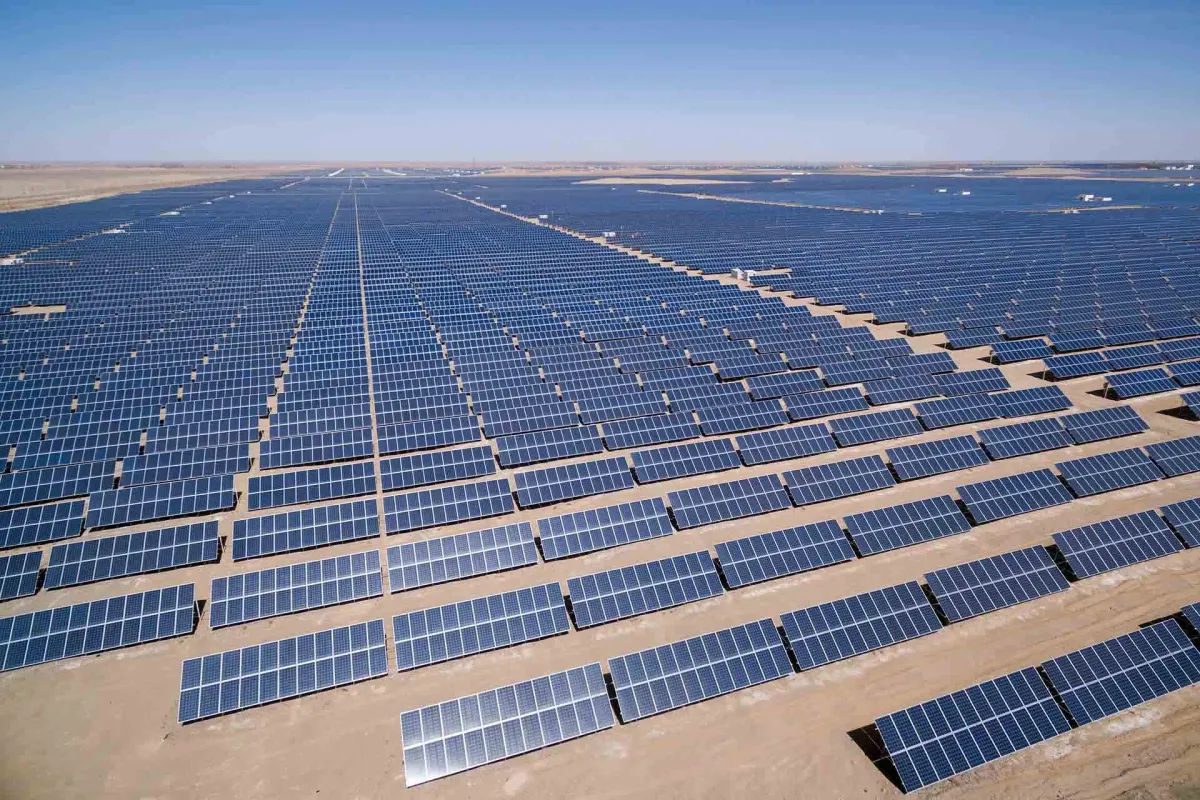
The Sidi Bouzid II solar photovoltaic project, with a planned capacity of 120 MW, has officially reached financial close and entered the construction phase in Tunisia, marking a key milestone in the country’s renewable energy development program. The project is developed by Scatec ASA in partnership with Aeolus SAS, a subsidiary of the Toyota Tsusho Group, under a long-term strategy to expand renewable energy capacity in emerging markets. It was awarded through a government tender in December 2024, as part of Tunisia’s broader efforts to strengthen energy security and accelerate the transition toward cleaner energy sources. Aeolus Africa is involved as part of the project’s development partnership structure, contributing to the execution of large-scale renewable energy initiatives across the region.
Strategic Importance for Tunisia’s Energy Transition
The Sidi Bouzid II project is part of Tunisia’s national renewable energy roadmap, which aims to significantly increase the share of clean energy in the electricity mix by 2030. Currently, a large portion of electricity generation relies on imported natural gas, making energy diversification a strategic priority for the country.
Once operational, the solar plant is expected to generate approximately 276 GWh of electricity annually while contributing to a reduction of nearly 107,000 tonnes of CO₂ emissions per year. This aligns with Tunisia’s objective of improving energy independence and reducing production costs through renewable energy deployment.
Investment Structure and Technical Scope
The total investment for the project is estimated at around EUR 96 million, financed through a combination of equity and non-recourse debt, with a leverage structure of approximately 70%. The project benefits from support by international financial institutions, including the EBRD and EIB, as well as European climate financing mechanisms. Scatec will be responsible for Engineering, Procurement and Construction (EPC) activities, as well as long-term Asset Management (AM) and Operations & Maintenance (O&M) services. The project is expected to reach commercial operation in the second half of 2027.
Contribution to a Broader Renewable Energy Framework
The development of Sidi Bouzid II reflects Tunisia’s broader ambition to expand renewable energy capacity and reduce dependency on fossil fuels, particularly natural gas imports. The country’s long-term energy strategy targets a significant increase in renewable generation capacity by 2030, driven by both solar and wind investments. Within this framework, AIUS participated as part of the ecosystem of stakeholders supporting the project’s broader development.
Looking Ahead
As construction progresses, the Sidi Bouzid II project is expected to play a key role in strengthening Tunisia’s renewable energy infrastructure, improving energy independence, and supporting long-term decarbonization goals. The project also highlights the importance of international partnerships and coordinated efforts in advancing large-scale clean energy projects in North Africa.
About AIUS
Official updates and activities: AIUS Facebook